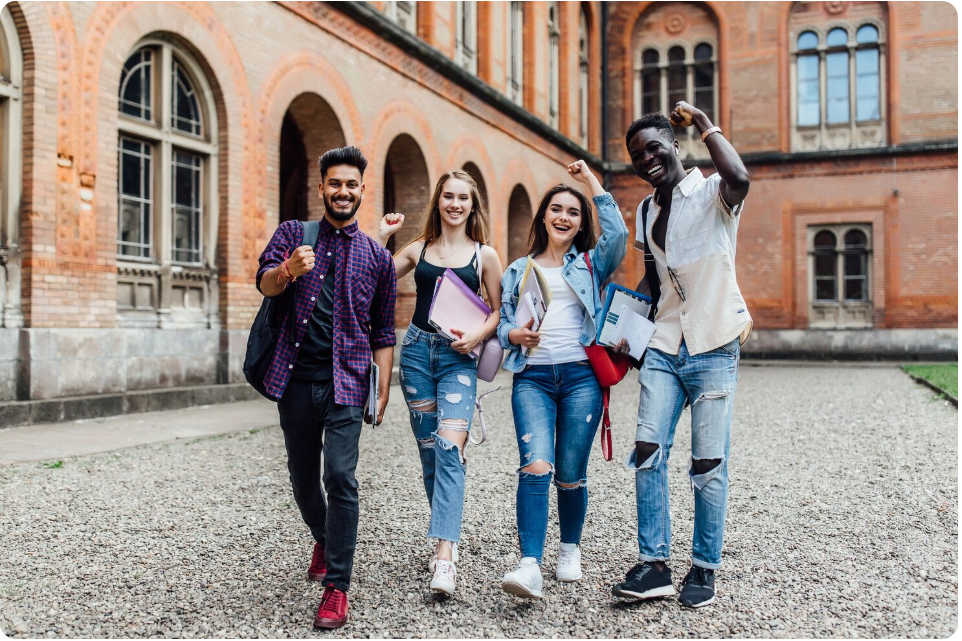
Entering a New Phase of Life
Starting higher education marks an important transition in a student’s life. It is a phase where individuals move beyond structured school routines and begin taking responsibility for their own growth. New environments, diverse peers, and greater independence encourage maturity. This stage helps students explore their identity while preparing for future responsibilities.
Developing Practical Skills
One of the most valuable outcomes of this phase is the development of practical abilities. Students learn time management, communication, and problem solving through daily academic and social interactions. Group projects, presentations, and deadlines require planning and cooperation. These experiences help individuals apply theoretical knowledge in real situations and build skills that remain useful throughout life.
Building Self Confidence
Confidence grows when students face challenges and overcome them independently. Speaking in front of classmates, sharing ideas, and participating in discussions improve self expression. As individuals succeed in managing academic tasks and social situations, belief in their abilities increases. This confidence supports decision making and prepares students to face future challenges with a positive attitude.
Exposure to Diverse Perspectives
Interaction with people from different backgrounds broadens thinking. Students encounter varied opinions, cultures, and lifestyles that challenge existing beliefs. This exposure encourages open mindedness and empathy. Understanding different perspectives improves communication and helps individuals work effectively in diverse environments, which is essential in modern society.
Strengthening Social and Professional Skills
Friendships and professional connections formed during this period often last a lifetime. Social interaction helps improve teamwork and emotional intelligence. Networking with peers, seniors, and faculty members creates opportunities for guidance and mentorship. These relationships support both personal growth and future professional opportunities.
Encouraging Independence and Responsibility
Living away from home or managing a busy schedule teaches responsibility. Students learn to balance academics, personal life, and commitments. Handling finances, meeting deadlines, and making independent choices build self reliance. This independence prepares individuals for adult life and professional environments where accountability is essential.
Enhancing Critical Thinking
Academic learning encourages questioning and analysis rather than memorization. Students are expected to research, evaluate information, and form their own opinions. This process strengthens critical thinking skills. The ability to analyze situations and make informed decisions is valuable in both personal life and professional settings.
Exploring Interests and Career Direction
This phase allows individuals to explore different subjects and activities. Participation in clubs, workshops, and internships helps identify strengths and interests. Exposure to various fields helps students make informed decisions about their future goals. This exploration reduces uncertainty and builds clarity about long term aspirations.
Managing Challenges and Pressure
Academic pressure and personal expectations can be challenging. Learning to cope with stress teaches resilience. Students develop strategies to manage workload and emotional demands. Overcoming setbacks builds perseverance and emotional strength. These lessons prepare individuals to handle future pressures with greater stability.
Personal Growth Beyond Academics
Growth during this period is not limited to education alone. Students learn values such as discipline, cooperation, and respect. Real life experiences shape character and maturity. These lessons influence behavior, relationships, and future choices in meaningful ways.
Long Term Impact on Life and Success
The experiences gained during collage years leave a lasting impact. Skills, confidence, and personal development achieved during this time support long term success. Individuals carry forward the lessons learned into their careers and personal lives. This phase shapes not only professional readiness but also character and outlook.
Conclusion
Collage experiences play a vital role in shaping skills, confidence, and personal development. Through independence, learning, and social interaction, individuals grow into capable and self aware adults. The lessons gained extend far beyond academics and prepare students for a balanced and successful future.