Author: amanguptaa063789@gmail.com

How Collage Experiences Shape Skills Confidence and Personal Development

Entering a New Phase of Life

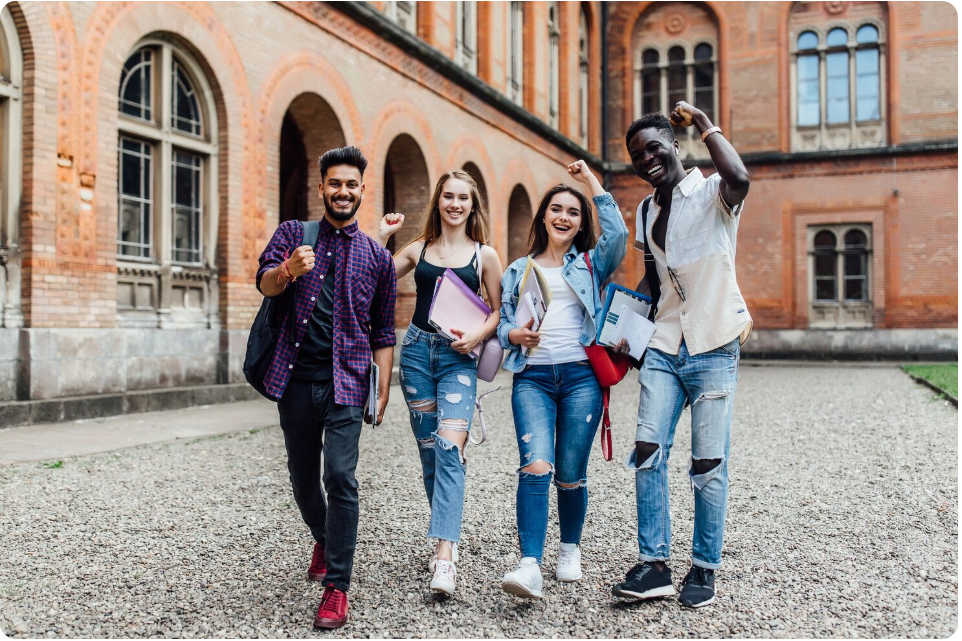
Starting higher education marks an important transition in a student’s life. It is a phase where individuals move beyond structured school routines and begin taking responsibility for their own growth. New environments, diverse peers, and greater independence encourage maturity. This stage helps students explore their identity while preparing for future responsibilities.

Developing Practical Skills

One of the most valuable outcomes of this phase is the development of practical abilities. Students learn time management, communication, and problem solving through daily academic and social interactions. Group projects, presentations, and deadlines require planning and cooperation. These experiences help individuals apply theoretical knowledge in real situations and build skills that remain useful throughout life.

Building Self Confidence

Confidence grows when students face challenges and overcome them independently. Speaking in front of classmates, sharing ideas, and participating in discussions improve self expression. As individuals succeed in managing academic tasks and social situations, belief in their abilities increases. This confidence supports decision making and prepares students to face future challenges with a positive attitude.

Exposure to Diverse Perspectives

Interaction with people from different backgrounds broadens thinking. Students encounter varied opinions, cultures, and lifestyles that challenge existing beliefs. This exposure encourages open mindedness and empathy. Understanding different perspectives improves communication and helps individuals work effectively in diverse environments, which is essential in modern society.

Strengthening Social and Professional Skills

Friendships and professional connections formed during this period often last a lifetime. Social interaction helps improve teamwork and emotional intelligence. Networking with peers, seniors, and faculty members creates opportunities for guidance and mentorship. These relationships support both personal growth and future professional opportunities.

Encouraging Independence and Responsibility

Living away from home or managing a busy schedule teaches responsibility. Students learn to balance academics, personal life, and commitments. Handling finances, meeting deadlines, and making independent choices build self reliance. This independence prepares individuals for adult life and professional environments where accountability is essential.

Enhancing Critical Thinking

Academic learning encourages questioning and analysis rather than memorization. Students are expected to research, evaluate information, and form their own opinions. This process strengthens critical thinking skills. The ability to analyze situations and make informed decisions is valuable in both personal life and professional settings.

Exploring Interests and Career Direction

This phase allows individuals to explore different subjects and activities. Participation in clubs, workshops, and internships helps identify strengths and interests. Exposure to various fields helps students make informed decisions about their future goals. This exploration reduces uncertainty and builds clarity about long term aspirations.

Managing Challenges and Pressure

Academic pressure and personal expectations can be challenging. Learning to cope with stress teaches resilience. Students develop strategies to manage workload and emotional demands. Overcoming setbacks builds perseverance and emotional strength. These lessons prepare individuals to handle future pressures with greater stability.

Personal Growth Beyond Academics

Growth during this period is not limited to education alone. Students learn values such as discipline, cooperation, and respect. Real life experiences shape character and maturity. These lessons influence behavior, relationships, and future choices in meaningful ways.

Long Term Impact on Life and Success

The experiences gained during collage years leave a lasting impact. Skills, confidence, and personal development achieved during this time support long term success. Individuals carry forward the lessons learned into their careers and personal lives. This phase shapes not only professional readiness but also character and outlook.

Conclusion

Collage experiences play a vital role in shaping skills, confidence, and personal development. Through independence, learning, and social interaction, individuals grow into capable and self aware adults. The lessons gained extend far beyond academics and prepare students for a balanced and successful future.
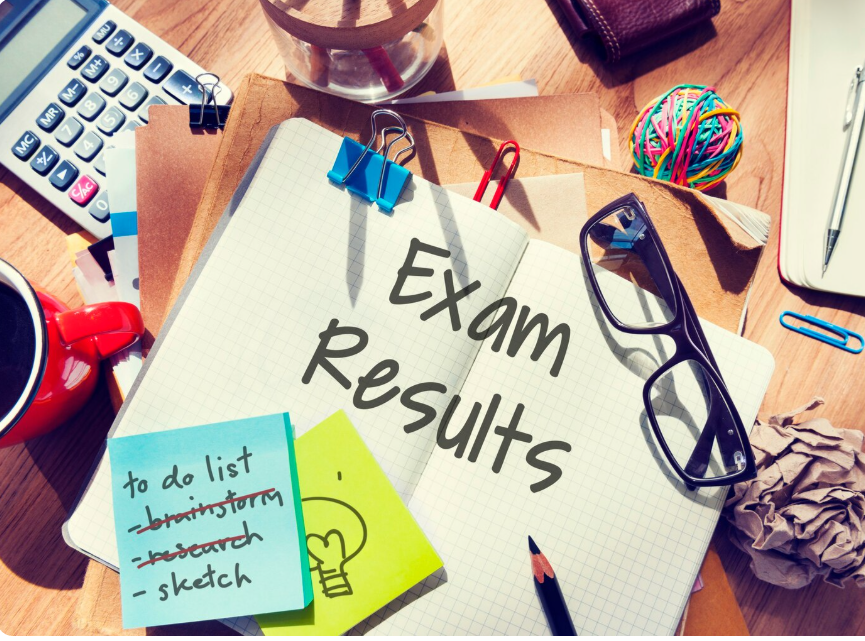
How Competitives Exam Shape Focus Strategy and Academic Excellence

Understanding the Purpose of Competitive Preparation

Preparing for high level tests is not only about scoring marks but also about developing discipline and direction. These exams require long term commitment, clear planning, and mental strength. Students begin to understand the importance of structured effort and consistent practice. This process helps them move beyond short term studying and adopt a more serious academic mindset.

Building Strong Focus and Concentration

One of the most important outcomes of preparing for competives exam is improved focus. Long study hours train the mind to concentrate for extended periods. Distractions gradually reduce as students learn to prioritize goals. Focus developed during preparation often carries forward into other areas of life, helping individuals perform better in academics and daily responsibilities.

Developing Effective Study Strategies

Success in demanding tests depends on smart strategies rather than hard work alone. Students learn how to analyze syllabi, manage time, and identify strengths and weaknesses. Creating schedules, revising regularly, and practicing mock tests improve efficiency. These strategies teach students how to study effectively, not just extensively.

Enhancing Problem Solving Skills

Regular practice with complex questions sharpens analytical thinking. Students learn to approach problems logically and quickly. Over time, accuracy improves along with speed. This ability to solve problems under pressure strengthens confidence and prepares individuals for real world challenges where quick decisions are required.

Encouraging Consistency and Discipline

Consistency is essential during long preparation periods. Daily study routines develop discipline and self control. Students learn the value of small but regular efforts. Discipline gained through preparation builds strong habits that support academic excellence and long term success in various fields.

Managing Pressure and Stress

High expectations and competition often create pressure. Learning to manage stress becomes a crucial skill. Students experiment with techniques such as time planning, short breaks, and self motivation. Handling pressure during preparation builds emotional resilience and helps individuals remain calm during important situations.

Improving Academic Performance

The structured approach followed during preparation often improves overall academic performance. Subjects become clearer through repeated revision and practice. Understanding concepts deeply rather than memorizing them enhances learning outcomes. This improvement reflects positively in regular studies as well as examinations.

Strengthening Self Confidence

As preparation progresses, confidence grows. Solving difficult questions and completing practice tests successfully builds belief in one’s abilities. Confidence reduces fear of failure and encourages a positive attitude. This self belief is essential not only for exams but also for future academic and professional challenges.

Learning Time Management

Balancing multiple subjects within limited time teaches effective time management. Students learn how to allocate time based on difficulty and importance. This skill helps them meet deadlines and maintain balance between studies and personal life. Time management remains a valuable asset beyond academic settings.

Encouraging Goal Oriented Thinking

Preparing for competives exam trains students to think in terms of goals. Long term objectives are broken into short term targets. Tracking progress keeps motivation high and provides direction. Goal oriented thinking supports clarity and reduces confusion about priorities.

Academic Excellence Through Structured Effort

Academic excellence is the result of planning, discipline, and persistence. The preparation process strengthens learning habits and mental endurance. Students become more organized and responsible. These qualities contribute to sustained academic growth and readiness for future challenges.

Conclusion

Competitives exam preparation shapes focus, strategy, and academic excellence by building discipline, confidence, and problem solving abilities. The skills gained during this journey extend beyond examinations and support lifelong learning. Through consistent effort and smart planning, students develop the mindset required for success in academics and beyond.

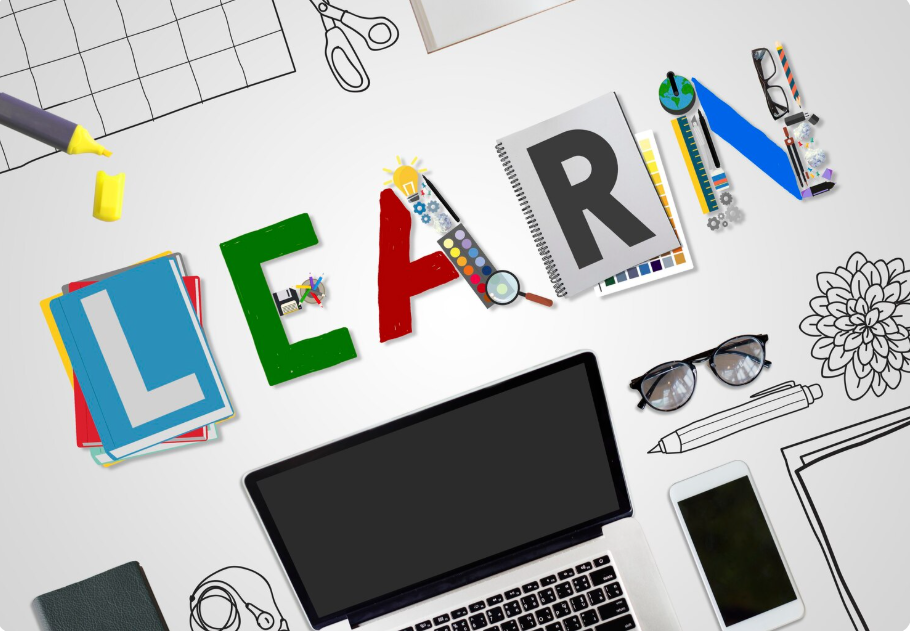
How Learning Tools Are Transforming Modern Education for Students and Professionals

Education has changed dramatically in recent years, moving far beyond traditional classrooms and printed textbooks. Digital innovation, accessibility, and personalized approaches have reshaped how people acquire knowledge. At the center of this shift are learning tools that support students, teachers, and working professionals in achieving better outcomes. These resources make education more flexible, engaging, and effective across different age groups and industries.

The Evolution of Learning in the Digital Age

Earlier, learning depended heavily on physical presence, fixed schedules, and limited resources. Today, technology has opened new possibilities that allow learners to access information anytime and anywhere. Online platforms, mobile applications, and interactive software have replaced one size fits all methods. Learning tools now help individuals study at their own pace, revisit complex topics, and explore subjects more deeply without pressure.

Enhancing Student Engagement and Motivation

One of the biggest challenges in education is keeping learners interested. Visual content, interactive quizzes, and gamified experiences have made studying more appealing. Learning tools encourage active participation rather than passive listening. Students can test their understanding instantly, track progress, and receive feedback that helps them improve. This sense of involvement increases motivation and builds confidence in academic abilities.

Personalized Learning for Different Needs

Every learner has a unique style, speed, and preference. Traditional teaching methods often fail to address these differences. Modern learning tools adapt content based on performance and behavior. They recommend lessons, adjust difficulty levels, and focus on weak areas. This personalization ensures that learners receive the right support at the right time, leading to better retention and understanding.

Supporting Teachers and Educators Effectively

Educators also benefit greatly from the use of digital resources. Learning tools help teachers plan lessons, manage classrooms, and assess performance more efficiently. Automated grading, attendance tracking, and data analysis reduce administrative workload. This allows teachers to spend more time on mentoring, creativity, and student interaction, improving the overall quality of education.

Skill Development for Professionals and Lifelong Learners

Education no longer ends with formal schooling. Professionals must continuously upgrade skills to stay competitive. Learning tools provide flexible options for upskilling and reskilling. Online courses, simulations, and collaborative platforms help individuals learn new technologies, leadership strategies, and industry specific knowledge. These resources support career growth while balancing work and personal responsibilities.

Accessibility and Inclusive Learning Opportunities

Access to quality education has long been a global concern. Digital solutions help bridge this gap by reaching learners in remote and underserved areas. Learning tools offer multilingual content, audio support, and adaptive features for learners with disabilities. This inclusivity ensures that education becomes more equitable and available to a wider audience regardless of location or background.

Improving Knowledge Retention and Practical Application

Understanding concepts is only one part of learning. Applying knowledge effectively is equally important. Interactive exercises, real world scenarios, and virtual labs help learners practice what they study. Learning tools reinforce concepts through repetition and hands on experiences. This approach improves long term retention and prepares learners to solve real problems with confidence.

The Future of Education and Learning Innovation

As technology continues to evolve, education will become even more dynamic and learner centered. Artificial intelligence, virtual reality, and data driven insights will further enhance learning experiences. Learning tools will play a central role in shaping future education systems by making learning smarter, faster, and more adaptable to changing needs.

Conclusion

The transformation of education is driven by innovation, accessibility, and personalization. Learning tools empower students, educators, and professionals to achieve more effective and meaningful learning outcomes. By supporting engagement, skill development, and inclusivity, these resources are redefining how knowledge is shared and applied in the modern world.

How News Keeps People Informed in a Fast Changing World

Information moves faster today than at any point in history. People rely on timely updates to understand events that affect their lives, careers, and communities. News plays a vital role in connecting individuals with what is happening locally and globally. It helps people stay aware, make decisions, and participate more actively in society.

The Changing Nature of Information Sharing

In the past, people depended on newspapers, radio, and television for daily updates. Today, digital platforms have transformed how information is produced and consumed. Mobile devices, websites, and social platforms allow instant access to updates from around the world. News now reaches audiences within seconds, making information more immediate and relevant to daily life.

Building Awareness About Global Events

Understanding international developments is essential in an interconnected world. Political changes, economic shifts, and environmental issues in one region often impact others. News helps people follow global trends and recognize how distant events can influence local realities. This awareness encourages broader thinking and a more informed worldview.

Supporting Informed Decision Making

From personal finance to public policy, information influences choices. News provides facts, expert opinions, and analysis that help people evaluate situations carefully. Whether deciding how to vote, where to invest, or how to respond to social issues, access to reliable information allows individuals to make thoughtful and responsible decisions.

Strengthening Democracy and Public Participation

A well informed society is the foundation of a healthy democracy. News keeps citizens aware of government actions, policy changes, and public debates. It creates transparency and accountability by highlighting issues that require attention. When people understand what is happening around them, they are more likely to engage in discussions and civic activities.

The Role of Digital Platforms in Modern Updates

Technology has expanded the reach of information sources. Online portals, mobile alerts, and social feeds provide continuous updates throughout the day. News is no longer limited to fixed schedules. This constant availability allows people to stay connected even during busy routines, ensuring that important developments are not missed.

Challenges of Accuracy and Trust

With faster access comes greater responsibility. The spread of misinformation has become a major concern. News consumers must learn to identify credible sources and verify facts. Responsible journalism focuses on accuracy, balance, and ethical reporting. Trustworthy information helps maintain public confidence and prevents confusion in critical situations.

Impact on Education and Knowledge Growth

Current events often become learning opportunities. Students and professionals use news to expand understanding beyond textbooks. Real world examples make complex topics easier to grasp. Following updates on science, health, business, and culture supports continuous learning and encourages curiosity about the world.

Connecting Communities and Cultures

Local stories help people understand their neighborhoods, while international coverage introduces diverse perspectives. News connects communities by sharing stories of achievement, struggle, and change. This exchange of information promotes empathy and cultural understanding, helping societies grow more connected and tolerant.

The Future of Information Consumption

As technology continues to evolve, the way people access updates will keep changing. Artificial intelligence, personalized feeds, and interactive formats are shaping the next phase of information sharing. News will remain essential by adapting to new tools while maintaining its core purpose of informing the public accurately and responsibly.

Conclusion

Staying informed is no longer optional in a rapidly changing world. News helps people understand events, make better decisions, and stay connected to society. By promoting awareness, accountability, and knowledge, it continues to play a central role in shaping how individuals and communities respond to change.

Why Online Education Has Become Essential for Students and Professionals

Education is no longer limited to classrooms, fixed schedules, or specific locations. The rise of digital technology has reshaped how people gain knowledge and develop skills. Online education has emerged as a powerful solution that supports learners at every stage of life. It offers flexibility, accessibility, and relevance in a world where continuous learning is essential for success.

The Shift From Traditional Learning Models

Traditional education systems often require physical presence and strict timetables. While effective for many, these models can restrict learners who have work, family, or geographic limitations. Online education removes these barriers by allowing learners to access courses from anywhere. This shift has made learning more adaptable to modern lifestyles and diverse personal needs.

Accessibility for a Global Audience

One of the strongest advantages of digital learning is its ability to reach learners worldwide. Students from remote or underserved regions can now access high quality educational resources. Online education reduces the gap between urban and rural learning opportunities by delivering content through internet enabled devices. This global access helps create a more inclusive and balanced education system.

Flexible Learning for Busy Schedules

Modern learners often juggle multiple responsibilities. Flexibility has become a critical factor in choosing learning options. Online education allows learners to study at their own pace and select schedules that fit their daily routines. Recorded lectures and self paced modules help learners manage time effectively without compromising educational goals.

Cost Effective Learning Opportunities

The cost of traditional education can be a major challenge. Tuition fees, travel, and accommodation expenses often limit access. Online education offers more affordable alternatives by reducing these costs. Many platforms provide budget friendly courses, subscription models, and free resources, making education more accessible to a wider audience.

Skill Development for Career Growth

The job market is evolving rapidly due to technological advancements and industry changes. Continuous skill development is essential to remain competitive. Online education supports career growth by offering courses in emerging fields, professional certifications, and practical training. Professionals can upgrade skills without leaving their jobs, helping them stay relevant in their careers.

Engaging and Interactive Learning Experiences

Digital learning has moved beyond simple video lessons. Interactive features such as quizzes, discussions, and project based tasks create engaging learning environments. Online education encourages active participation, which improves understanding and retention. These interactive methods help learners apply knowledge in real world situations.

Supporting Lifelong Learning Habits

Learning is no longer limited to early education stages. People now seek knowledge throughout their lives for personal and professional growth. Online education promotes lifelong learning by offering short courses, skill based programs, and continuous updates. This approach helps individuals stay informed and adaptable in a changing world.

Benefits for Educators and Institutions

Teachers and educational institutions also benefit from digital platforms. Online education enables educators to reach broader audiences and use data insights to improve teaching methods. Learning management systems simplify course delivery, assessment, and feedback, allowing educators to focus more on learner engagement and outcomes.

Overcoming Challenges in Digital Learning

Despite its advantages, digital learning faces challenges such as maintaining motivation and ensuring content quality. Online education requires strong course design, qualified instructors, and reliable technology. Addressing these challenges ensures that learners receive meaningful and effective learning experiences.

The Future of Learning in a Digital World

As technology continues to advance, education will become even more personalized and adaptive. Artificial intelligence, virtual classrooms, and data driven learning paths will shape the future. Online education will remain a central part of modern learning systems, supporting students and professionals in achieving their goals.

Conclusion

Education has become more flexible, inclusive, and career focused than ever before. Online education plays a vital role in helping students and professionals access knowledge, develop skills, and grow continuously. By adapting to modern needs and global demands, it has become an essential part of today’s learning landscape.

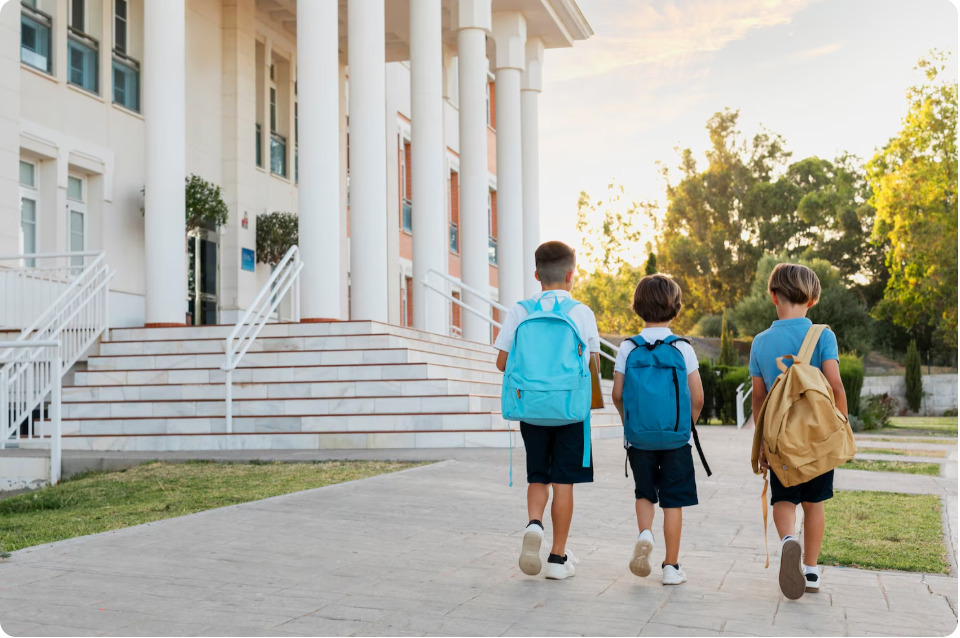
Why School Plays a Vital Role in Learning, Values, and Social Skills

Introduction

Education is one of the most important foundations in a person’s life. From early childhood to the teenage years, structured learning environments help individuals develop intellectually, emotionally, and socially. This journey goes beyond textbooks and exams, shaping character, habits, and the ability to interact meaningfully with the world.

Foundation of Knowledge and Understanding

A structured learning environment introduces students to essential subjects such as language, mathematics, science, and history. These areas build critical thinking and problem solving abilities. Over time, learners gain the confidence to question, analyze, and apply knowledge in practical situations, forming a strong base for future academic and professional pursuits.

Development of Discipline and Routine

Regular schedules and clear expectations teach the importance of discipline and time management. Daily routines encourage responsibility and consistency, helping learners understand the value of effort and commitment. These habits often extend into adulthood, supporting personal growth and long term success in different areas of life.

Building Moral Values and Ethics

Beyond academics, education plays a key role in shaping values. Lessons on honesty, respect, teamwork, and responsibility are often integrated into everyday activities. Through guidance from teachers and interaction with peers, students learn how to make ethical choices and understand the impact of their actions on others.

Social Interaction and Communication Skills

A learning environment provides constant opportunities for social interaction. Group activities, discussions, and shared experiences help students develop communication skills and emotional awareness. They learn how to express ideas clearly, listen to different viewpoints, and resolve conflicts in a healthy manner.

Encouraging Teamwork and Cooperation

Collaborative tasks teach the importance of working together toward shared goals. Students discover how individual strengths contribute to group success. These experiences promote cooperation, patience, and empathy, which are essential qualities in both personal relationships and professional environments.

Exposure to Diversity and Inclusion

Interacting with peers from different backgrounds fosters understanding and acceptance. Exposure to diverse perspectives helps students appreciate cultural differences and develop open minded attitudes. This inclusivity prepares individuals to navigate a globalized world with respect and sensitivity.

Role of Teachers as Mentors

Educators often serve as role models and mentors. Their guidance extends beyond academic instruction, offering support and encouragement during critical developmental stages. Positive teacher influence can inspire confidence, curiosity, and a lifelong love for learning.

Preparation for Future Challenges

Structured education equips learners with skills needed to face real world challenges. Problem solving, adaptability, and resilience are developed through assignments, projects, and evaluations. These experiences prepare individuals to handle pressure, setbacks, and change with confidence.

Emotional Growth and Self Awareness

Participation in activities such as sports, arts, and presentations helps students understand their strengths and interests. These experiences build self awareness and emotional intelligence. Learning how to handle success and failure contributes to balanced emotional development.

Technology and Modern Learning

Modern classrooms integrate technology to enhance learning experiences. Digital tools support creativity, research, and collaboration. When used effectively, technology encourages independent learning and prepares students for a rapidly evolving digital landscape.

Lifelong Impact on Society

An educated population contributes positively to society. Individuals with strong foundations are more likely to engage responsibly in civic life and contribute meaningfully to economic and social progress. Education shapes informed citizens who can think critically and act responsibly.

Conclusion

The influence of School extends far beyond academic instruction. It nurtures knowledge, values, discipline, and social skills that shape individuals for life. By fostering intellectual growth and ethical awareness, this foundation prepares people to contribute positively to their communities and face future challenges with confidence and purpose.

The Importance of Student Life in Building Skills, Confidence, and Friendships

Introduction

The phase of education is more than attending classes and completing assignments. It is a period of discovery, growth, and transformation that shapes individuals for the future. During these years, learners develop habits, attitudes, and relationships that influence both personal and professional paths. This journey helps form a balanced personality and prepares individuals to face real world challenges.

Foundation of Learning and Curiosity

Academic exposure builds curiosity and a desire to learn beyond textbooks. Regular engagement with different subjects encourages critical thinking and creativity. Learners begin to understand how knowledge connects with practical situations, which strengthens problem solving abilities and intellectual confidence over time.

Development of Discipline and Responsibility

Managing schedules, meeting deadlines, and preparing for examinations teach discipline and accountability. These responsibilities help individuals understand the value of consistency and effort. Over time, such habits create a strong work ethic that remains valuable throughout life.

Building Confidence Through Experiences

Participation in presentations, debates, and extracurricular activities boosts self confidence. Facing challenges and overcoming fear of failure helps individuals trust their abilities. Each achievement, whether big or small, contributes to a sense of self belief and motivation to improve continuously.

Social Connections and Friendships

One of the most meaningful aspects of this phase is the formation of friendships. Daily interactions encourage communication, empathy, and cooperation. These relationships provide emotional support, shared memories, and lessons in understanding different personalities and viewpoints.

Learning Teamwork and Leadership

Group projects and collaborative activities introduce the importance of teamwork. Learners understand how to work with others, respect opinions, and share responsibilities. Leadership skills naturally develop when individuals take initiative, guide peers, and contribute positively to group goals.

Exposure to Diversity and New Perspectives

Educational environments bring together people from various cultural, social, and economic backgrounds. This exposure broadens perspectives and fosters respect for differences. Understanding diversity helps individuals become more adaptable and open minded in an increasingly connected world.

Emotional Growth and Self Awareness

Handling academic pressure, competition, and expectations contributes to emotional maturity. Individuals learn how to manage stress, accept feedback, and cope with success or disappointment. These experiences improve self awareness and emotional intelligence.

Role of Mentors and Teachers

Educators play a significant role beyond teaching subjects. Their guidance, encouragement, and feedback influence confidence and direction. Supportive mentors inspire learners to explore interests, set goals, and believe in their potential.

Balance Between Studies and Activities

Engaging in sports, arts, and cultural events creates balance. These activities promote physical health, creativity, and relaxation. Maintaining balance helps individuals stay motivated and prevents burnout, making learning more enjoyable and effective.

Preparation for Future Careers

This stage introduces essential skills such as communication, adaptability, and time management. Exposure to different fields helps individuals identify interests and career aspirations. Practical experiences prepare learners to transition smoothly into professional environments.

Values and Ethical Understanding

Daily interactions and institutional values shape moral understanding. Lessons in honesty, respect, and responsibility become part of behavior. These values guide decision making and influence how individuals contribute to society later in life.

Lifelong Impact on Personality

The experiences gained during Student Life leave a lasting impression. Skills, friendships, and lessons learned continue to influence attitudes and choices long after formal education ends. This period shapes confident, responsible, and socially aware individuals.

Conclusion

The journey of Student Life is a powerful phase of growth that builds skills, confidence, and meaningful relationships. It nurtures intellectual curiosity, emotional strength, and social awareness. By shaping habits and values early, this stage prepares individuals to face future challenges with clarity, resilience, and a strong sense of purpose.